Figures based on our internal road-test program.
Average reduction in fuel consumption
Average horsepower increase reported
Driving distance to fully calibrate to your engine
Tools required โ plug-and-play OBD-II install
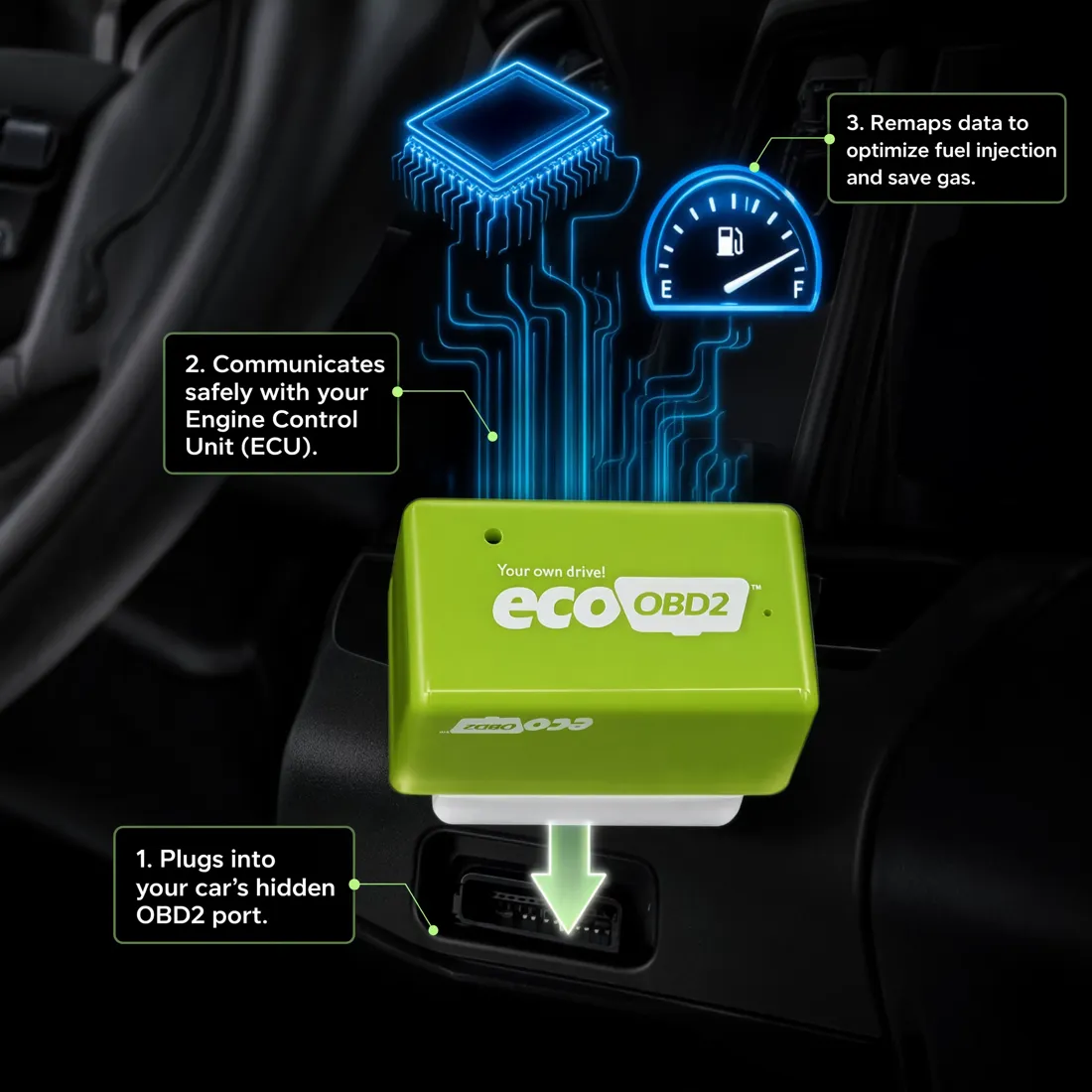
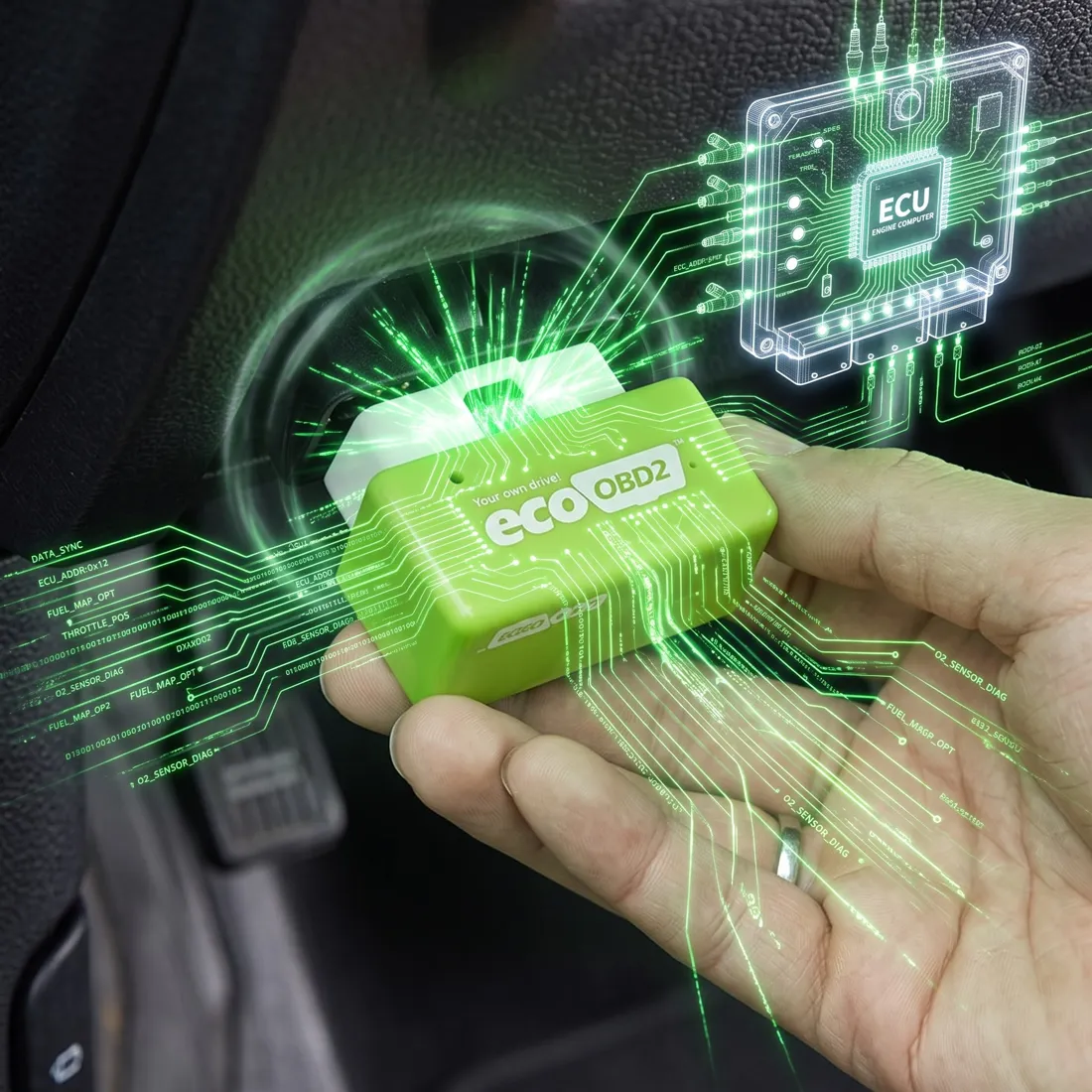
Tank Saver reads your engine's fuel maps through the OBD-II port and adjusts them for efficiency โ the same core idea professional chip tuners use, built into a plug-in box.
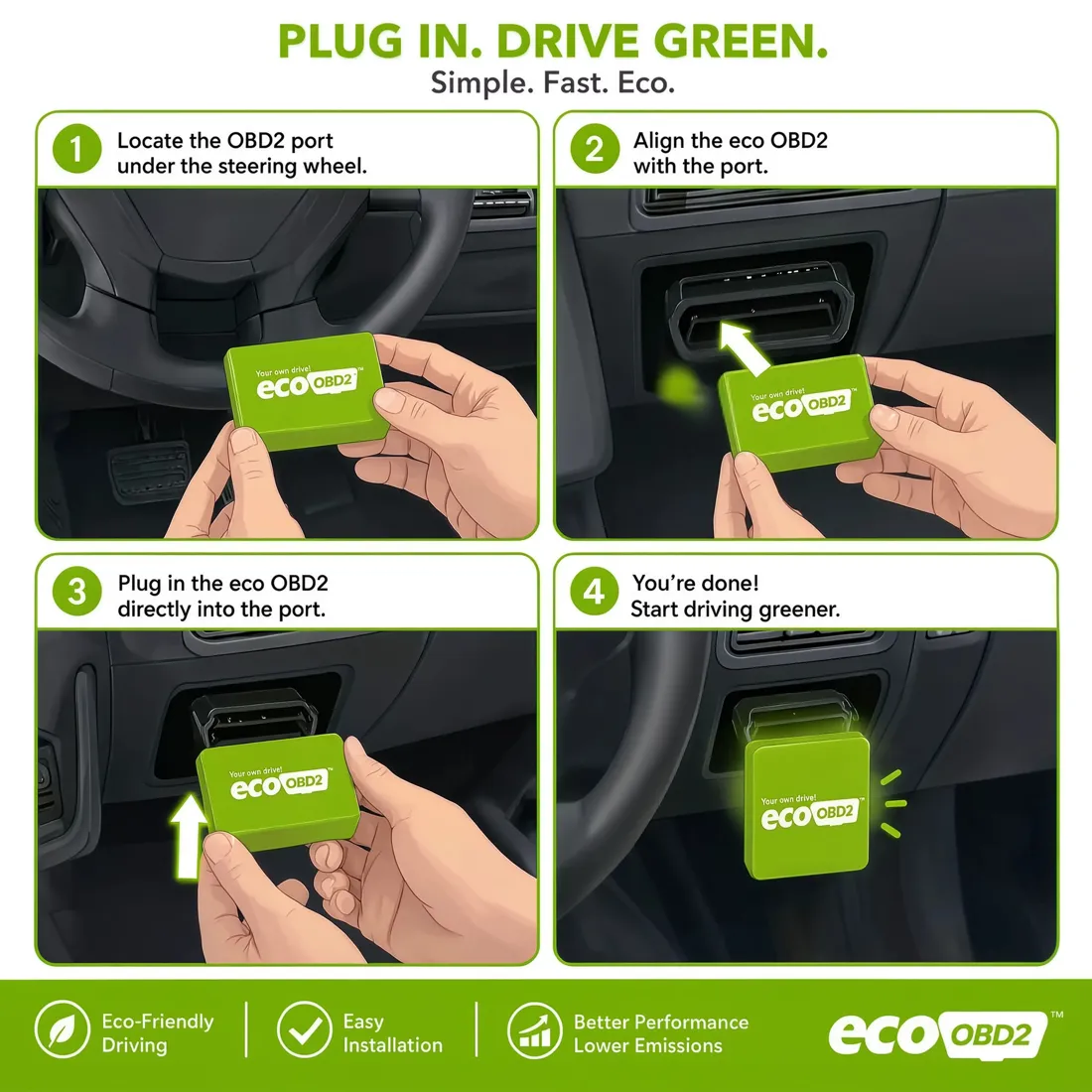
Locate your car's OBD-II port, typically tucked under the steering column.
Line it up and plug Tank Saver straight into the port โ no tools required.
Tank Saver begins reading your engine's fuel maps as you go about your normal driving.
Around 200km in, calibration is complete and the savings become noticeable at the pump.

It communicates with your Engine Control Unit (ECU) through the standard OBD-II interface โ the same port your mechanic already uses.

Results gathered across 500 test vehicles, multiple brands.
noticed lower fuel consumption within their first tank
found installation as easy as promised โ plug and go
reported noticeably better engine response
said Tank Saver paid for itself within 2 months
Here's how the specs stack up feature by feature.
| Feature | LifeGauge Tank Saver Recommended | Others |
|---|---|---|
| Reduces fuel consumption up to 15% | โ | โ |
| Multi-brand compatibility (gas & diesel) | โ | โ |
| Chip-tunes engine for more performance | โ | โ |
| Plug & play OBD-II โ no wiring needed | โ | โ |
| No wireless setup or software updates required | โ | โ |
| Fully calibrates within ~200km of driving | โ | โ |
| Road-test verified results | โ | โ |
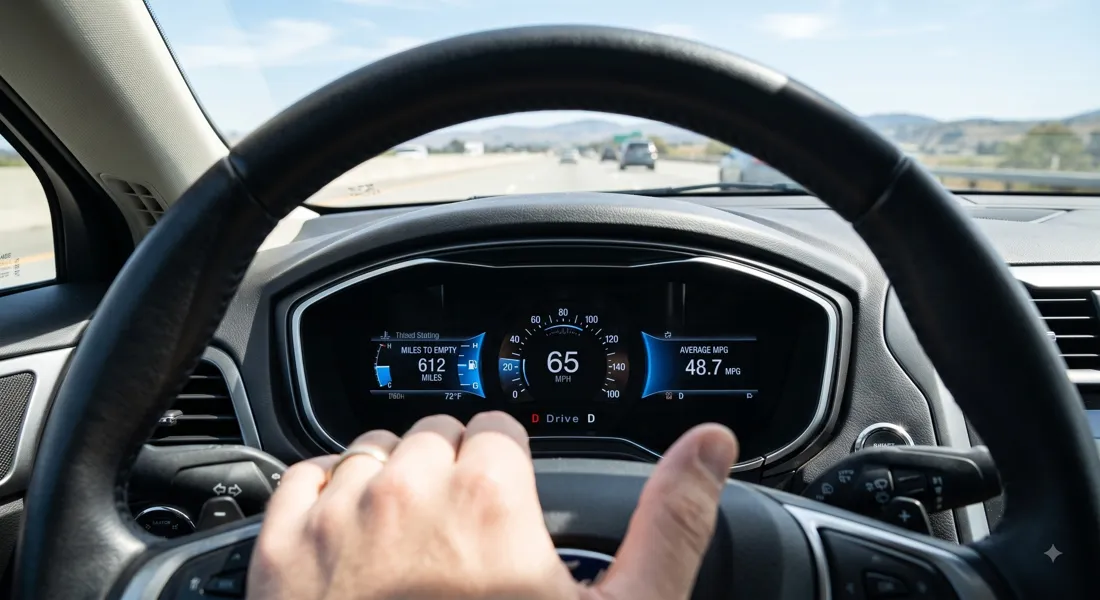
Across a fleet of test vehicles, we logged average fuel economy before and after installing Tank Saver. The jump in average MPG was consistent and repeatable โ visible right on the driver's own dashboard, not buried in a lab report.
85% of reviewers recommend Tank Saver.
Installed it in my 2012 Toyota Aygo and you can feel it immediately โ I'd guess about 10% more horsepower.
Road trip after installing it and I stretched a full tank noticeably further in my VW Golf. Didn't expect it to be this obvious.
I liked that there's no Bluetooth or app to fuss with โ just plug it into the OBD-II port and drive. Exactly as advertised.
Modest but real savings on my Ford Focus โ maybe 9-10%, not the full 15%, but happy with it and the install took two minutes.
Saw about 8% on my older diesel wagon, not 15%. Still worth it for the price, just don't expect miracles on an older engine.
Barely noticed a change on my hybrid โ makes sense since the electric motor is already doing a lot of the work. Might be better suited to gas-only engines.
You're covered by a 30-day money-back guarantee. If you don't notice a difference, send Tank Saver back for a full refund โ no questions asked, in accordance with our full refund terms.
It connects through your car's OBD-II port and talks to the ECU, adjusting fuel-injection data so the engine burns fuel more efficiently โ reducing the waste that would otherwise show up at the pump.
No โ plug Tank Saver into your OBD-II port, usually found under the steering column. There's nothing to wire, no tools, and no mechanic visit needed.
Give it about 200km (~125 miles) of ordinary driving. That's the calibration window Tank Saver needs to learn your engine and driving style before savings become noticeable.
It's built as a multi-brand OBD-II device, compatible with most gas and diesel vehicles across major manufacturers that have a standard OBD-II port.
No app, no Bluetooth, no software updates. Tank Saver is a straightforward OBD-II interface โ plug it in and it functions on its own.
Tank Saver only reads and communicates through the same standard OBD-II interface mechanics use for diagnostics; it doesn't rewire or physically alter your vehicle.
A 30-day money-back guarantee. If you don't notice a difference, return it for a full refund โ no questions asked.
Over 25,000 drivers are already using Tank Saver to cut fuel costs. Order today and you're fully covered by a 30-day money-back guarantee.
Claim My 70% Discount โ